This is Delhi’s darkest chapter, and it arrives right after Diwali — the festival when millions of firecrackers are lit across the city despite a Supreme Court order banning them, because apparently the highest court in the land carries roughly the same authority as a zebra crossing in Delhi.
The air quality shifts to “hazardous” and stays there for weeks, aided by stubble burning in neighbouring states and the city’s own relentless traffic and construction. Wondering what “fizzles”? Almost all your outdoor plans!
The government’s AQI scale tops out at 500. During peak smog season, private sensors have read up to 1,000. If you’re wondering why the government chose 500 as the ceiling, it’s because it’s a smaller number than 1,000. They really do think we’re that simple.
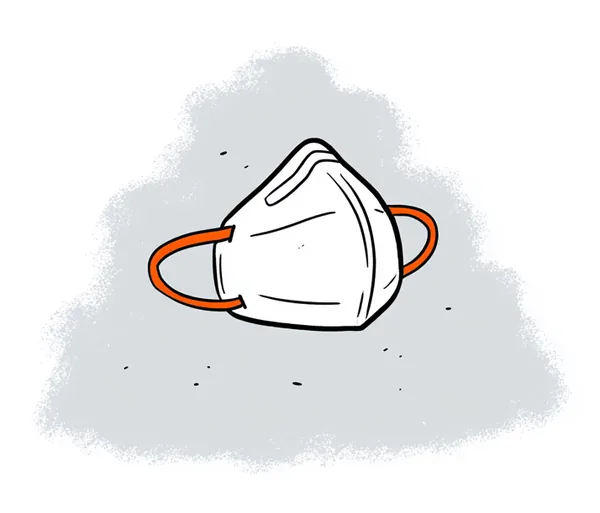
An N95 mask is good advice for anyone visiting North India during these months. You might look silly, but you won’t feel silly at the end of the day when everyone else is coughing.
If you have serious respiratory issues, avoid Delhi between November and February entirely. Move a hundred kilometres in any direction and the pollution dips back to bearable levels. South India, meanwhile, breathes clean air and watches the northern plains suffocate with a mix of sympathy and quiet smugness.
