
Some dishes don't just come from Delhi — they were born here, at a particular table, usually by someone improvising. These three put something on the Indian plate that wasn't there before, and the world's been eating it since.
On this page:
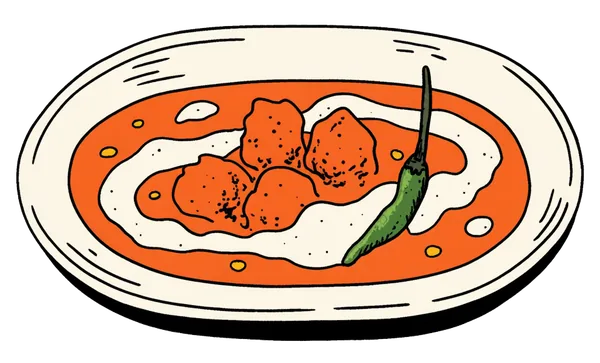
Moti Mahal (Daryaganj — and Greater Kailash I) The most influential kitchen in the history of Indian food. Butter chicken, dal makhani, the modern tandoori chicken — all of it was born under the Moti Mahal name, carried to Delhi in 1947 by partners who'd run the original in Peshawar. As Maulana Azad reportedly put it, coming to Delhi without eating at Moti Mahal is like going to Agra and skipping the Taj.
Here's the twist only Delhi knows. The founding families — the Gujrals and the Jaggis — are still fighting in court over who actually invented the butter chicken, and the legacy now runs through two branches: the Jaggi side at the original Daryaganj, the Gujral side at Greater Kailash I. My money's on the Gujrals at GK1. Disagree if you like; the lawyers already do.
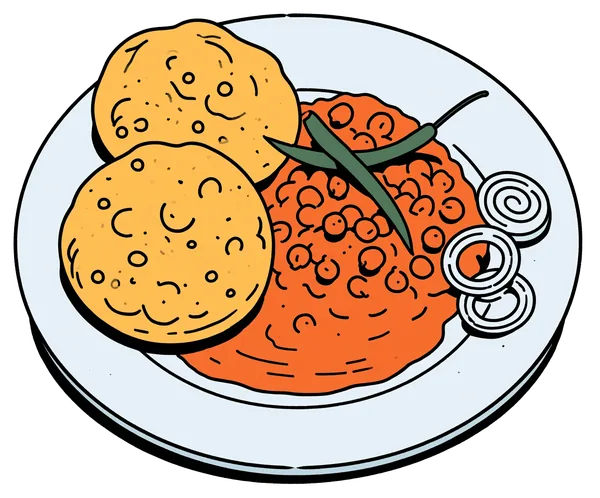
Kwality (Connaught Place, Regal Building) A 1940 institution, often called Delhi's oldest restaurant, and one of two contenders for inventing the city's chole bhature — founded by a migrant from Lahore who many credit with first pairing the fluffy bhatura with spiced chole. The rival claim belongs to Sita Ram Diwan Chand in Old Delhi; the argument has never been settled, which is half the pleasure. Come for the dish, stay for the pre-Independence room — and know it's listed on the menu as "Kwality Channa," with the bhaturas ordered separately.
Kuremal Mohan Lal (Kucha Pati Ram, Old Delhi) Stuffed fruit kulfi — and not in the way you're picturing. Kuremal takes whole fruit, mangoes, guavas, pomegranates, hollows them, fills them with kulfi, and freezes them solid, so you bite through what looks like an ordinary fruit and find dense, cold, perfumed ice inside. The mango version, in season, is the one people queue down the lane for: it arrives looking like a whole mango, sliced into rounds, and tastes like the fruit concentrated into something richer than the fruit itself. A genuine Old Delhi invention, run by the same family for the better part of a century, in a lane you'd never find without meaning to. Worth the detour, and the sticky fingers.
