
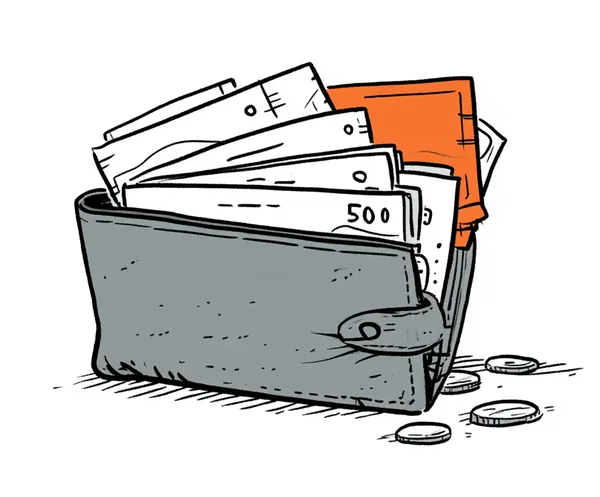
India runs on cash, apps, and audacity — often in that order. Here’s how the money works.
Currency
The Indian Rupee (INR/₹) is your new companion. Notes come in ₹10, ₹20, ₹50, ₹100, ₹200, and ₹500. The ₹2,000 note was pulled from circulation in 2023 — if someone hands you one, don’t accept it; it’s about as useful as a chocolate teapot. Coins exist in ₹1, ₹2, ₹5, and ₹10, but good luck using them. Most shopkeepers treat coins the way most people treat pennies: with mild contempt and a bottom drawer.
As of writing, $1 gets you roughly ₹95, €1 gets you about ₹110, and ¥100 gets you around ₹60. Thanks to the rupee’s ongoing free fall — gentle, sustained, and universally lamented — your foreign currency goes further here than it did even a year ago. That ₹500 meal? That’s about $5. Keep that in mind before you start worrying about prices.
Paying for Things
Cash is still king for street food, auto-rickshaws, small shops, and anywhere the card machine is “not working today, sir” — a phrase you will hear so often it begins to sound like a mantra. Keep ₹100 and ₹500 notes on you. Getting change for a ₹500 note from a street vendor at seven in the morning is an exercise in futility — you might as well be asking them to break a gold bar. Carry smaller denominations.

UPI is India’s digital payment revolution. Almost every shop, restaurant, kiosk, and street vendor has a QR code. Most UPI apps (Google Pay, PhonePe, PayTM) require an Indian bank account. Some international options are emerging — check compatibility before you land. If it works for you, it’s the easiest and quickest way to pay for almost everything.
Credit/Debit Cards — Visa and Mastercard work at hotels, malls, and upscale restaurants. Amex acceptance is patchy, like Wi-Fi in a village. Don’t expect cards to work at street stalls or local markets. And inform your bank you’re travelling to India, unless you enjoy having your card frozen at a checkout counter 8,000 kilometres from home.
ATMs are everywhere. HDFC, ICICI, and Axis Bank are the most reliable Indian banks. International cards work at most of them, though some charge ₹200–300 per transaction. Withdraw in larger amounts to minimise the fee hits. Avoid standalone ATMs in sketchy locations; use ones attached to bank branches.
Bargaining
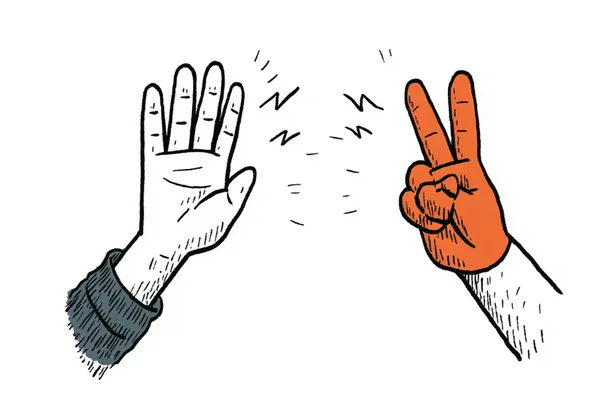
Bargaining in Delhi isn’t rude. It’s expected. It’s part of the social contract between buyer and seller, as fundamental as a handshake at the end of a deal. Walking into a street market and paying the first price quoted is not politeness — it’s overpaying with extra steps.
Where to bargain: street markets (Sarojini Nagar, Janpath, Chandni Chowk, Lajpat Nagar), auto-rickshaws, souvenir shops, and basically anywhere without a printed price tag. If the price isn’t on a sticker, it’s negotiable.
Where NOT to bargain: malls, branded stores, restaurants, metro counters, pharmacies, and government-run emporiums like Cottage Industries Exposition. If there’s a price tag, that’s the price. Attempting to negotiate at a Zara will get you a look of “Shouldn’t you know better?”.
How to bargain: Walk in, ask for the cost. If you don’t agree, say “Tell me your last price, I won’t bargain.” If the new price is acceptable, take it. If not, thank them and walk out. Once in a while, you can expect a call-back before you exit the store: “OK, tell me what you want to pay.” Go wild. Say fifty percent of the price. You never know. This isn’t confrontation — it’s theatre, and both parties know their roles. A friend of mine tends to quote twenty percent of whatever the seller asks, regardless of the item. It’s amusing to watch, but I can’t keep a straight face saying that.
Don’t feel guilty. You’re not cheating anyone. The initial price already has the negotiation built in, like foam on a cappuccino. The vendor is doing fine. That said, don’t haggle someone down to their last rupee over a ₹50 difference. Read the room.
Tipping
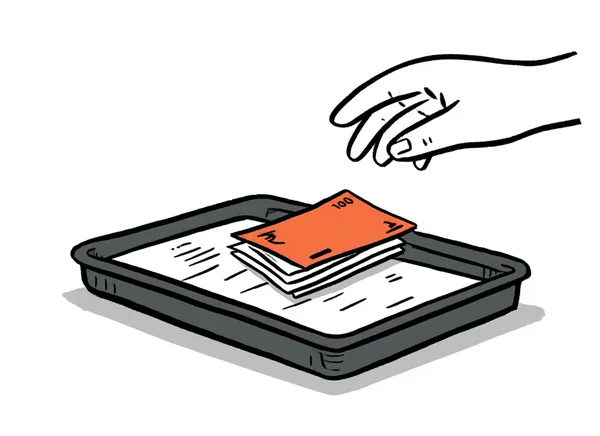
Tipping isn’t mandatory in India, but it’s appreciated — and for some service workers, it’s a meaningful part of their income.
Restaurants - Ten percent is the norm. Many add a “service charge” of 5–10% to the bill. If they have, you don’t need to tip on top, but you can for exceptional service. The service charge is technically voluntary (there was a whole government directive about this), but contesting it creates an awkward scene. Pick your battles. And ten percent on a ₹1,000 bill is one dollar.
Hotels — ₹50–100 for porters, ₹100– 200 per day for housekeeping if you’re staying more than a night. Leave it on the pillow or hand it directly.
Auto/taxi drivers — rounding up is fine. If the fare is ₹170, handing over ₹200 and not asking for change is a perfectly adequate gesture.
Delivery drivers — ₹20–50 for Swiggy/Zomato riders. These men and women work brutal hours in brutal weather. A small tip goes a long way and is, frankly, the decent thing to do.
Tour guides — ₹300–500 for a halfday, ₹500–1,000 for a full day. If they were genuinely good, tip generously. Good guides in Delhi are undervalued, like good teachers everywhere.
