
Delhi drinks. It drinks with enthusiasm, variety, and — on a Saturday night in Hauz Khas — a volume that could drown out a small brass band.
Beer
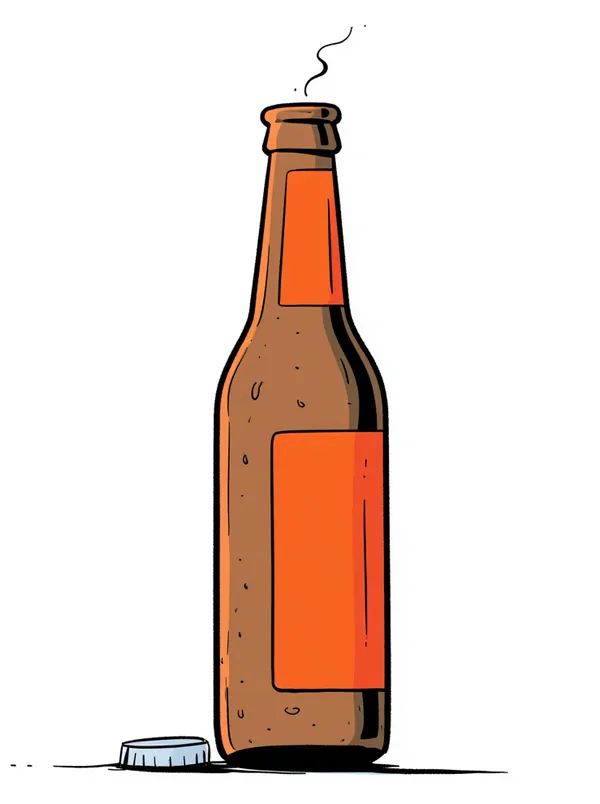
The city is awash in bars, from rooftop lounges where a Corona or Hoegaarden goes for about ₹650 ($7/€6), to neighbourhood watering holes where the lighting is dim and the prices dimmer. Try the locals: Kingfisher Ultra or Premium are the old faithfuls, and Bira has carved out a following with a flavour profile that’s a notch more interesting. When in Rome, drink what the Romans drink — especially when it’s cheaper.
Hard liquor
The full orchestra is available at most bars. Delhi takes its drinking seriously, and the cocktail scene has grown from “whisky-soda” to something approaching genuine mixology.
Wine
Delhi has a handful of dedicated wine bars. Indian wines are improving at a clip, and a glass of Sula or Fratelli might surprise you. Regular restaurants, however, may not be the place to test this theory — wine lists outside the top tier can be thin and uninspired, like a conversation with someone who’s only read the back cover.
Dry days
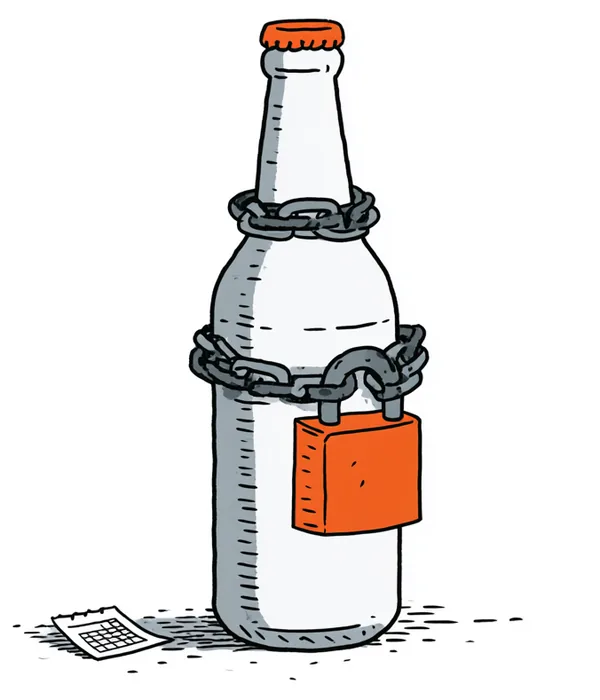
India observes “dry days” — dates on which no alcohol is sold, as decreed by the gods of bureaucracy and religious sentiment. These include major religious holidays, certain national occasions (Republic Day, Independence Day, Gandhi’s anniversary), and election days, because apparently democracy requires sobriety. If you absolutely need a drink on a dry day, four-star and five-star hotels operate under different rules and will serve you with the discreet grace of a speakeasy.
A word on etiquette: Stay within your limits. Don’t appear visibly drunk on the roads — it’s frowned upon culturally, and it makes you a target for every opportunist in a five-block radius. Drinking outside the premises of a bar or restaurant is against the rules. Think of Delhi’s attitude to public drinking the way Singapore feels about chewing gum: technically a law, practically a statement of intent.